5 Skills Every CNC Machinist Needs to Succeed in Modern Manufacturing

April 27, 2026
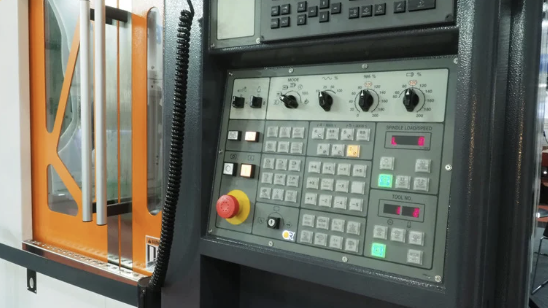
Manufacturing today looks very different from what it did even ten years ago. Modern facilities are driven by advanced technology, precision equipment, and highly skilled workers who know how to operate, troubleshoot, and improve complex systems.
That is why CNC machinist skills are in high demand. Employers are not just looking for someone who can run a machine. They are looking for individuals who can think critically, work with technology, and produce high-quality parts with accuracy and consistency.
If you are considering a career in this field, understanding the manufacturing skills employers want can help you see why CNC machining is more than just factory work. It is a technical, hands-on career with real growth potential. Plus, the average pay for a CNC Machinist in Tulsa is $23/hour.
1. Precision and Attention to Detail
One of the most important CNC machinist skills is precision. CNC machines are designed to create parts that must meet exact measurements, sometimes down to a fraction of a millimeter.
Even a small mistake can lead to defective products, wasted materials, or safety issues. That is why employers place a high value on workers who pay close attention to detail and take pride in doing things correctly.
CNC machinists must carefully monitor their machines, measure finished parts, and make adjustments as needed. This requires focus, patience, and a strong commitment to quality.
It also means being able to follow detailed instructions and double-check work before moving on to the next step. In modern manufacturing, precision is not optional. It is essential to maintain efficiency and meet industry standards.
2. Technical and Computer Skills
CNC machining combines hands-on work with technology, which means technical skills are a must. CNC machines are controlled by computer programs that tell the machine how to cut, shape, and finish materials. Machinists need to understand how these programs work and how to interact with the machines through digital controls.
This does not mean you need to be an expert in coding before you start. Many training programs teach you how to read machine code, use software, and operate computerized systems.
Over time, machinists often build skills in programming and advanced machine setup. These technical abilities are some of the top manufacturing skills employers want because they allow workers to adapt to new equipment and processes as technology continues to evolve.
3. Problem-Solving and Troubleshooting
Machines do not always run perfectly, and when something goes wrong, CNC machinists are often the first line of defense. Strong problem-solving skills are essential for identifying issues, understanding what caused them, and making the right adjustments. This might involve correcting a program, adjusting machine settings, or inspecting materials to find the source of a problem.
Employers value machinists who can think through challenges rather than waiting for someone else to fix them. This skill helps reduce downtime, improve productivity, and keep operations running smoothly.
In many ways, troubleshooting is what separates entry-level workers from highly skilled machinists. It shows that you understand not just how to operate a machine, but how the entire process works.
4. Blueprint Reading and Measurement
Another key skill in CNC machining is the ability to read blueprints and technical drawings. These documents provide the exact specifications for the parts being produced, including dimensions, materials, and tolerances. Machinists must be able to interpret this information accurately and translate it into machine operations.
In addition to reading blueprints, machinists use measurement tools such as calipers and micrometers to check their work. This ensures that each part meets the required standards.
These skills are critical because they connect the design process to the final product. Employers rely on machinists to make sure that what is produced matches what was planned, which requires both understanding and accuracy.
5. Reliability and Teamwork
While technical skills are important, employers also look for workers who are reliable and able to work well with others. Manufacturing environments often rely on teams to keep production moving efficiently. Each person plays a role, and delays or mistakes can affect the entire operation.
Being reliable means showing up on time, following safety procedures, and staying focused throughout your shift. Teamwork involves communicating clearly, supporting coworkers, and working toward shared goals. These qualities may seem simple, but they are some of the most important manufacturing skills employers want because they help create a safe and productive workplace.
Why These Skills Matter in Today’s Workforce
CNC machining is a strong career option for people who enjoy working with their hands, solving problems, and learning technical skills. It offers a path into modern manufacturing that is both stable and rewarding.
The skills listed above are not just useful for one job. They can open the door to advancement opportunities such as lead machinist, supervisor, or even programming and engineering roles.
WorkAdvance training programs like this one are designed to help students build these skills quickly and effectively. In a short period of time, individuals can gain the knowledge and experience needed to enter the workforce and start building a career. This makes CNC machining an appealing option for people who want to move into a skilled trade without spending years in school.
Common skills developed in our CNC training include:
- Operating and programming CNC machines, reading blueprints, and using precision measurement tools
- Applying safety practices, troubleshooting machine issues, and working effectively as part of a team
These skills align closely with what employers are looking for in today’s manufacturing environment. They reflect a shift away from outdated ideas of factory work and toward a more advanced, technology-driven industry.
A Career That Builds Your Future
For many people, CNC machining offers more than just a job. It provides a clear path to a stable career with opportunities to grow and earn more over time.
As manufacturing continues to evolve and grow in Tulsa, the demand for skilled workers remains strong. This creates real opportunities for individuals who are ready to learn and take the next step.
If you are exploring your options, focusing on CNC machinist skills and understanding the manufacturing skills employers want can help you make an informed decision. With the right training and support, you can build a career that is hands-on, technical, and full of potential. For that reason, we encourage you to submit your contact information to our team today.