trainings
Free Welding Training: How Welding Skills Power the Future of Drones and Autonomous Technology

July 20, 2026
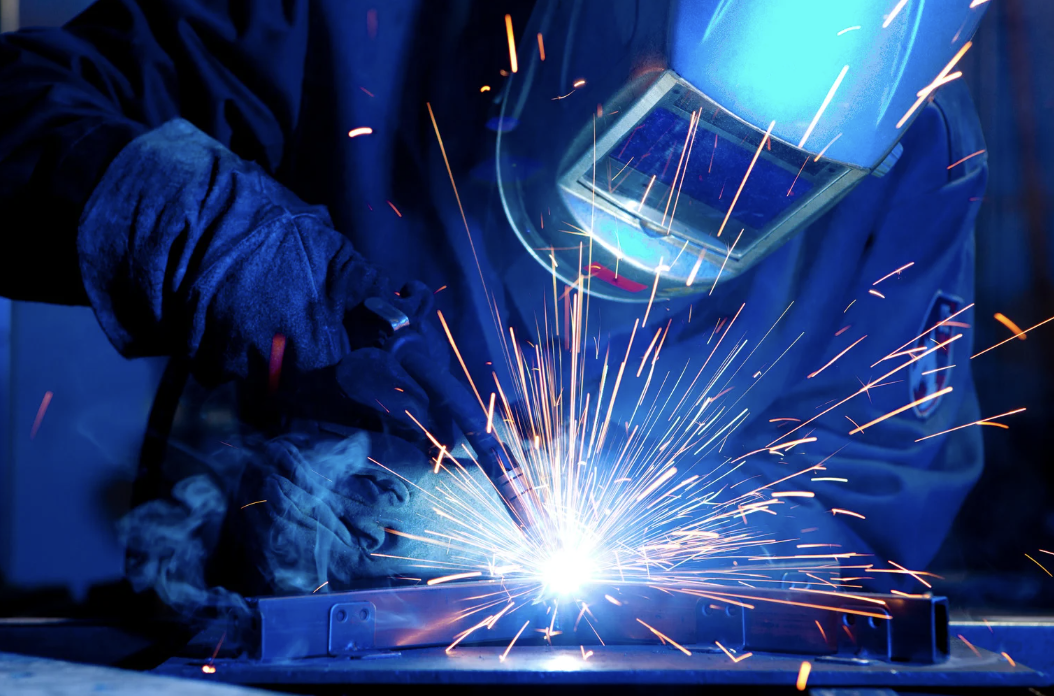
When most people think about welding, they picture someone repairing a fence or building a steel bridge. While welders still do those jobs, today's welding industry is changing fast. New technology like drones, robotics, and autonomous systems is creating exciting opportunities for skilled workers.
If you're looking for a career that combines hands-on work with advanced technology, welding is a great place to start. Better yet, free welding training can help you gain the skills employers need without paying expensive tuition. That’s what we offer at WorkAdvance.
From manufacturing drone parts to maintaining automated equipment, welders play an important role in building the future. Here's why welding is becoming one of the most valuable skilled trades in today's workforce.
Welding Is More High-Tech Than Ever
Manufacturing has changed dramatically over the past decade. Many factories now use robots, automated machines, and smart technology to improve quality and increase production. But these advanced systems don't replace welders—they create even more opportunities for skilled workers.
Before a robot can weld a product, someone has to build, install, repair, and maintain the equipment. Metal frames, machine components, safety barriers, and automated production lines all rely on welding.
That's why companies are looking for workers who understand both traditional welding techniques and modern manufacturing technology. And that’s where you come in.
Drones Depend on Skilled Welders
Drones are becoming common in industries like construction, agriculture, energy, transportation, and manufacturing, especially in Tulsa. Companies use drones to inspect buildings, monitor pipelines, survey land, and improve workplace safety.
Although drones are filled with advanced electronics, many of their structural parts begin with metal fabrication and precision welding.
Welders help create equipment used to manufacture drone components, build testing equipment, and fabricate specialized tools used throughout the production process.
As drone technology continues to grow, so does the demand for skilled tradespeople who can support the industries that build and maintain these systems.
Autonomous Systems Still Need Skilled Workers
When people hear the words "autonomous systems," they sometimes think machines are replacing workers. The reality is different.
Autonomous systems still require people to design, install, repair, inspect, and maintain the equipment. Every automated warehouse, manufacturing facility, and distribution center depends on skilled technicians who understand how the machines work.
Many of those systems include welded structures, machine frames, conveyor systems, and robotic workstations. Without skilled welders, much of today's advanced manufacturing simply couldn't operate.
What You'll Learn in Free Welding Training
A quality free welding training program like ours at WorkAdvance teaches much more than how to join two pieces of metal.
Students develop technical skills that prepare them for today's manufacturing environments. Training typically includes hands-on practice with welding equipment, blueprint reading, measuring techniques, metal preparation, workplace safety, and quality control.
You'll also learn how precision and attention to detail affect every project. These same skills are valuable whether you're helping build industrial equipment, repairing machinery, or working alongside robotic manufacturing systems.
Welding Opens Doors to Many Careers
One reason welding remains such a popular career choice is the wide variety of industries that hire skilled workers.
After completing training, welders may find opportunities in manufacturing plants, construction companies, energy facilities, transportation, aerospace suppliers, fabrication shops, and industrial maintenance departments.
Some workers eventually move into careers involving robotics, automation, or advanced manufacturing. Learning to weld gives you a strong technical foundation that can grow with your career.
Technology Is Creating More Opportunities, Not Fewer
Some people worry that robots will eliminate skilled trades. In reality, technology is changing the type of work welders perform.
Today's manufacturing facilities need employees who can work with advanced equipment, solve problems, and adapt to new technology.
Modern welders often collaborate with robotic welding systems rather than compete against them. They inspect finished products, troubleshoot equipment, perform repairs, and complete specialized welds that automated systems cannot easily handle. The future belongs to workers who combine technical knowledge with practical skills.
Is Welding Right for You?
You don't need previous experience to begin learning.
Successful welders come from many different backgrounds. Some are recent high school graduates. Others are changing careers or returning to the workforce after time away.
If you enjoy working with your hands, solving problems, and seeing the results of your work every day, welding could be an excellent fit.
You should also be comfortable learning new technology. Manufacturing continues to evolve, and employers value workers who are willing to grow their skills.
Why Employers Value Welding Training
Employers want workers who can contribute safely and confidently from the start. Completing free welding training shows that you've invested time learning industry standards, workplace safety, and practical welding techniques.
It also demonstrates that you're serious about building a career. Many employers prefer hiring applicants with formal training because they already understand the basics of quality workmanship, equipment operation, and job site safety.
Those skills become even more valuable as companies adopt advanced manufacturing technology. Our team is passionate about connecting skilled workers to reliable employers.
The Future of Manufacturing Needs Skilled Welders
Factories today look much different from how they did twenty years ago. Robots move materials across production floors. Drones inspect equipment in places that are difficult to reach. Automated systems improve efficiency while collecting data in real time.
Behind every one of these innovations are skilled workers who build, repair, install, and maintain the equipment. Welders remain one of the most important parts of that workforce.
As industries continue investing in automation and autonomous systems, people with welding skills will continue to play an essential role in building the future.
Start Your Career with Free Welding Training
Technology is changing manufacturing, but one thing remains the same: skilled welders are in demand.
Whether you hope to work in advanced manufacturing, industrial maintenance, robotics, or industries that use drones and autonomous systems, welding gives you practical skills that employers value.
Our free welding training program provides hands-on instruction, industry-focused training, and the opportunity to build skills for today's modern workforce. You'll learn from experienced instructors, gain confidence using professional equipment, and prepare for careers in industries where technology and skilled trades work together every day.
If you're ready to build a career that's hands-on, future-focused, and in demand, apply for our free welding training program today and take the first step toward a career in advanced manufacturing. Fill out our contact form for more information.