trainings
Healthcare Careers That Don't Require a Four-Year Degree

September 14, 2026
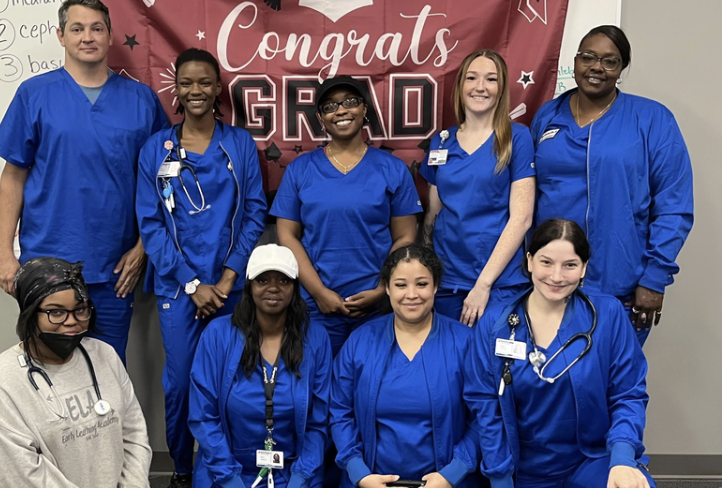
Many people dream of working in healthcare, but they assume they need a four-year college degree to get started. While some healthcare professions require extensive education, there are many rewarding healthcare careers without a degree that can help you enter the field much faster.
Healthcare is one of the largest and fastest-growing industries in the country. Hospitals, clinics, laboratories, and long-term care facilities all need skilled workers to support patients and healthcare providers. As demand for healthcare services continues to grow, employers are looking for trained professionals who can step into important roles.
If you're looking for a stable career, meaningful work, and opportunities for advancement, exploring healthcare careers without a degree could be a smart next step. That’s why we offer free technical training to Tulsans ready for a new career.
Why Consider Healthcare Careers Without a Degree?
One of the biggest benefits of healthcare careers without a degree is that they often require less time and money to enter than careers that require a bachelor's degree. Instead of spending four years in college, many people complete short-term training programs or earn industry certifications that prepare them for employment.
These careers also allow individuals to gain hands-on experience while helping patients and supporting healthcare teams. Many people find healthcare work rewarding because they know their efforts make a difference in the lives of others.
In addition, healthcare often offers opportunities for growth. Many workers begin in entry-level roles and later pursue additional training to advance their careers.
Popular Healthcare Careers Without a Degree
There are several healthcare careers that can provide a path into the industry without requiring a four-year college education.
- Certified Nursing Assistant (CNA)
- Medical Assistant
- Phlebotomy Technician
- Patient Care Technician
- Medical Receptionist
- Home Health Aide
- Pharmacy Technician
- EKG Technician
Each of these careers plays an important role in patient care and healthcare operations. While training requirements vary, many positions can be accessed through certification programs or career-focused training courses.
Certified Nursing Assistants Support Patient Care
Certified Nursing Assistants, often called CNAs, provide direct care to patients. They help individuals with daily activities such as bathing, dressing, eating, and mobility. CNAs also monitor patients and communicate important information to nurses and healthcare providers.
Many people choose this path because CNA training programs can often be completed relatively quickly. The experience gained as a CNA can also provide a foundation for future careers in nursing and other healthcare fields.
For those exploring healthcare careers without a degree, becoming a CNA is often one of the most common starting points. We regularly recruit for this field, so keep an eye out for opportunities!
Medical Assistants Perform a Variety of Duties
Medical Assistants work in physician offices, clinics, and outpatient healthcare facilities. Their responsibilities often include both administrative and clinical tasks.
They may schedule appointments, update patient records, take vital signs, assist with examinations, and support healthcare providers throughout the day. Because they perform a wide range of duties, Medical Assistants often develop valuable skills that can open doors to future career opportunities.
This combination of patient interaction and office responsibilities makes Medical Assisting one of the most versatile healthcare careers without a degree.
Phlebotomy Technicians Help Diagnose and Treat Patients
Phlebotomy Technicians collect blood samples that are used for medical testing. These tests help healthcare providers diagnose illnesses, monitor conditions, and guide treatment decisions.
The role requires attention to detail, strong communication skills, and a commitment to patient safety. Phlebotomy Technicians often work in hospitals, laboratories, blood donation centers, and physician offices.
Many people are attracted to this profession because phlebotomy training can provide a relatively quick path into the healthcare field while offering valuable hands-on experience.
Healthcare Careers Offer Long-Term Opportunities
One reason so many people pursue healthcare careers without a degree is the opportunity for long-term growth. Healthcare organizations need skilled workers at every level, and many employers encourage continued learning and professional development.
For example, a CNA may later become a Licensed Practical Nurse (LPN) or Registered Nurse (RN). A Medical Assistant may move into healthcare administration, office management, or specialized clinical roles. Phlebotomy Technicians may choose to pursue additional laboratory or patient care certifications.
Starting in an entry-level healthcare role does not mean staying there forever. In many cases, these positions serve as stepping stones toward larger career goals.
Skills That Help You Succeed in Healthcare
Regardless of the specific role you choose, there are several qualities that can help you succeed in healthcare.
Strong communication skills are important because healthcare workers interact with patients, families, and other professionals every day. Compassion and patience are also valuable because many patients may be experiencing stress, illness, or uncertainty.
Attention to detail is another critical skill. Healthcare professionals must follow procedures carefully to ensure patient safety and accurate results. Reliability, professionalism, and a willingness to learn can also help individuals build successful healthcare careers.
These qualities are often just as important as technical training when it comes to long-term career success.
Training Can Help You Get Started Faster
Many people are surprised to learn how quickly they can begin preparing for healthcare careers without a degree. Career-focused training programs are designed to teach students the skills employers need while providing hands-on experience in a supportive learning environment.
Training programs can help students gain confidence, develop professional skills, and prepare for certification exams when required. Some programs also offer career coaching, resume assistance, and job placement support to help graduates enter the workforce.
For individuals looking to make a career change or start a new profession, training can provide a clear path forward. WorkAdvance is here to make that happen.
A Rewarding Career May Be Closer Than You Think
If you've been interested in healthcare but assumed a four-year degree was required, you may have more options than you realize. There are many healthcare careers without a degree that allow individuals to build valuable skills, help others, and pursue stable employment.
Whether you're interested in becoming a Medical Assistant, CNA, Phlebotomy Technician, or another healthcare professional, training programs can help you take the first step. With dedication and the right support, you can begin building a rewarding future in one of today's most important industries.
The healthcare field needs compassionate, skilled professionals, and your journey may begin sooner than you think. Connect with our team today to move forward in your new career.