trainings
Is Industrial Maintenance a Good Career? Skills, Jobs, and Training Paths

February 19, 2026
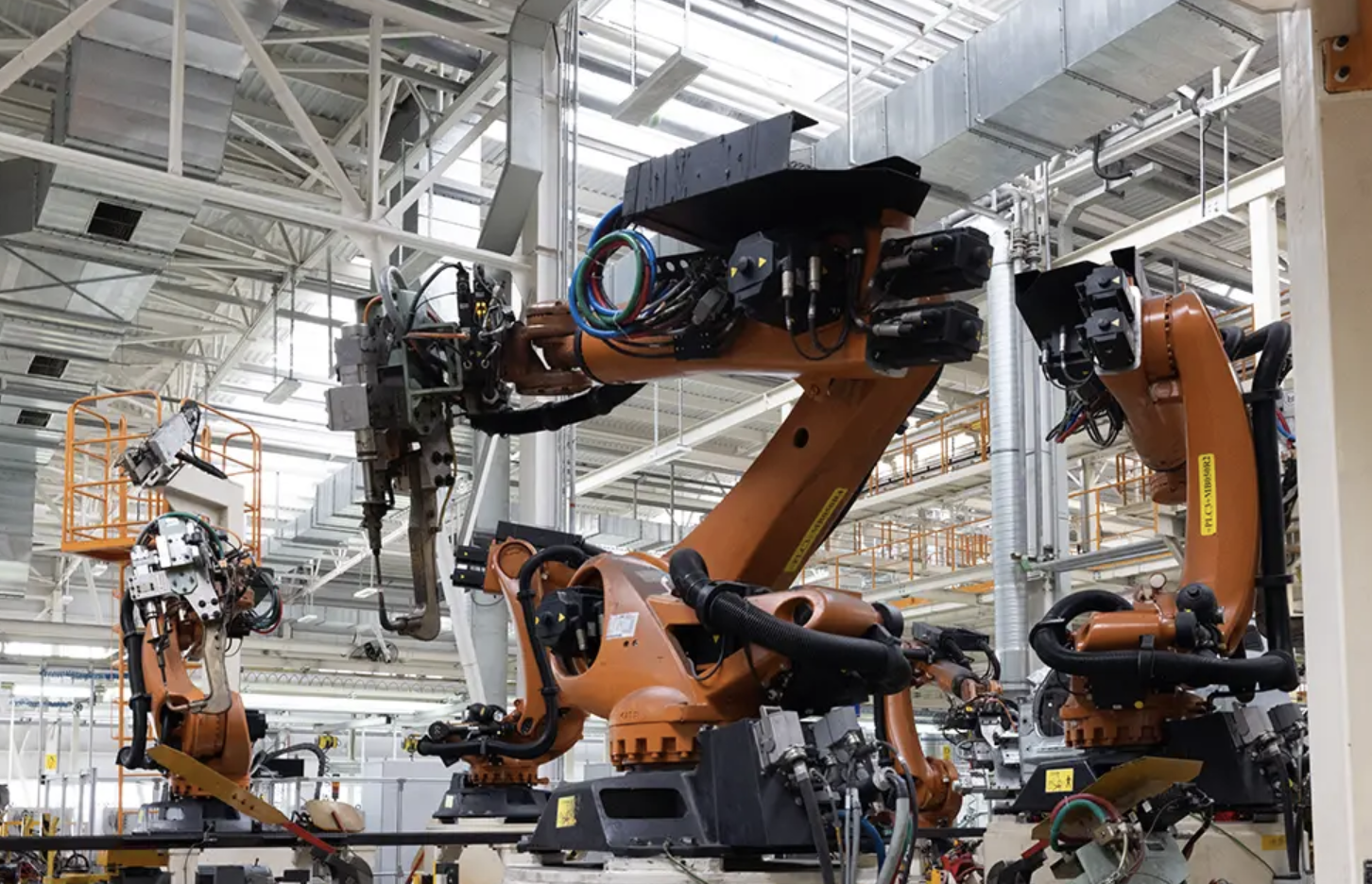
If you like figuring out how things work—and you also like the idea of robots, sensors, and smart machines—mechatronics might be right up your alley. A mechatronics career (otherwise known as Industrial Maintenance) sits at the intersection of mechanics, electronics, and computer systems. That means you’re not stuck doing just one type of work. You get to solve real problems using hands-on skills and technology.
Mechatronics shows up everywhere: automated factory lines, robotic arms, packaging machines, and even safety systems like anti-lock brakes. As more workplaces use automation to improve speed and quality, people who can install, maintain, and troubleshoot these systems become incredibly valuable.
What Is Mechatronics (and Why It’s Everywhere Now)?
Mechatronics is a blend of mechanical engineering, electrical systems, and computer controls. In plain words: it’s how modern machines “think” and “move” at the same time.
A simple example is a conveyor system in a warehouse. It has mechanical parts (belts, rollers, motors), electrical parts (power, wiring), and control parts (sensors, PLCs, safety switches). Mechatronics pulls all of that together so the system runs smoothly, safely, and efficiently.
This is why mechatronics connects to so many industries—manufacturing, robotics, aerospace, logistics, and even medical equipment.
Is a Mechatronics Career a Good Fit for You?
A mechatronics career can be a strong choice if you want work that’s stable, in-demand, and problem-solving focused. It’s also a good fit if you don’t want a job where every day feels the same. When equipment goes down, you’re the person who gets it running again—and that matters.
Here are signs you’d probably enjoy this path:
- You like hands-on work and don’t mind tools, wiring, and machines.
- You’re curious about automation and “smart” equipment.
- You can stay calm, think step-by-step, and troubleshoot under pressure.
- You’d rather build real skills than guess your way through a job.
Pay and outlook depend on your role (technician vs. engineer), your experience, and the industry you work in. For example, the U.S. Bureau of Labor Statistics groups many technician-level mechatronics roles under “Electro-mechanical and Mechatronics Technologists and Technicians,” with a median pay reported at $70,760 (May 2024).
What Does a Mechatronics Technician Do?
A mechatronics technician is the person who keeps automated systems working in the real world. You might install new equipment, run diagnostics, fix electrical issues, replace sensors, adjust controls, or help improve a process so it runs faster and safer.
Many technicians work around:
- Robotic cells and automated manufacturing lines
- Motor controls and variable frequency drives (VFDs)
- Pneumatics and hydraulics (air and fluid-powered systems)
- PLC-controlled machines (PLCs are the “brains” in many factories)
On a typical day, you might check a machine’s error code, test a sensor with a meter, inspect wiring in a control cabinet, and then make a repair so production can start back up. According to BLS, these technologists/technicians install, repair, upgrade, and test computer-controlled mechanical systems—exactly what you’d expect from a technician working in automation.
Skills You’ll Build for Real Jobs
Mechatronics is a “mix-and-match” skill set, which is part of why employers like it. You don’t have to be perfect at everything, but you do need a solid foundation across multiple areas.
Here are the core skills you’ll usually build (and use on the job):
- Reading schematics, wiring diagrams, and blueprints
- Using tools like multimeters, calipers, and diagnostic software
- Understanding sensors, relays, motors, and basic circuits
- Working with programmable controls (like PLCs)
- Troubleshooting systems step-by-step (mechanical + electrical + software)
- Practicing safety standards like lockout/tagout (LOTO) and OSHA basics
That combination is what makes you valuable: you can communicate with operators, maintenance teams, and engineers—and you can actually fix the system.
Technician vs. Engineer: Which Path Makes Sense?
Mechatronics has two common lanes:
Technician path (faster entry):
This route is hands-on and job-focused. Many technician roles are open to people with an associate degree, certificate, or specialized training. BLS notes that electro-mechanical/mechatronics technologists and technicians typically need an associate degree or postsecondary certificate.
Engineer path (more school, more design work):
Engineers are more likely to design and test automation systems, create technical documents, and lead projects. O*NET’s profile for Mechatronics Engineers describes work like designing automation and intelligent systems and selecting sensors and control devices.
If you want to start working sooner and build experience fast, the technician route is often the better first step. Later, many people level up with certifications or a bachelor’s degree.
Training Paths That Can Lead You Toward Automation Work
Even if you’re not enrolling in a mechatronics program today, you can still build skills that fit this world. A lot of automation careers start with strong fundamentals in manufacturing and equipment operation.
For example, CNC machining teaches you how to work with precision equipment, measurements, and computer-controlled machines—skills that show up in automated manufacturing. WorkAdvance’s CNC Machinist training focuses on measurements, blueprint reading, and operating computer-operated mills and lathes.
Warehousing and logistics can also connect to automation, especially as distribution centers use scanners, conveyors, and powered equipment. WorkAdvance’s Shipping, Receiving, and Warehousing training includes OSHA 10 and forklift certification—great building blocks for working safely around industrial systems.
And if you’re thinking longer-term, automation also overlaps with process improvement roles. BLS expects strong growth for industrial engineers, partly because companies want to reduce costs and optimize production processes (which often includes automation).
Final Take: Is Mechatronics a Good Career?
Yes—if you want a path where you can keep learning, work with technology, and build skills that transfer across industries, a mechatronics career can be a smart move. You can start hands-on as a mechatronics technician, grow into advanced maintenance or controls roles, and even move toward engineering if you choose more education later.
If you’re in Tulsa and want a practical way to start building job-ready skills now, check out Retrain Tulsa’s Mechatronics/Industrial Maintenance training (it’s no-cost and includes key certifications). You deserve a career that makes sense for you.