trainings
What Does a Phlebotomy Technician Actually Do All Day?

August 3, 2026
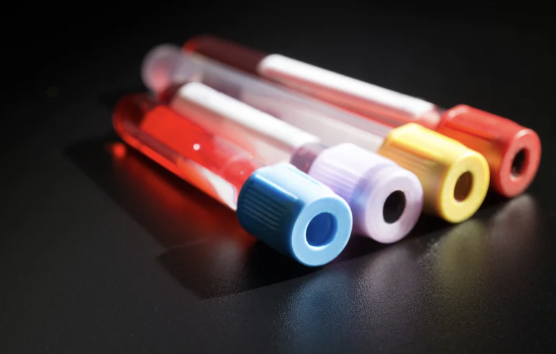
If you're considering a healthcare career, you may be wondering: what does a phlebotomist do? Phlebotomy technicians play an important role in healthcare by collecting blood samples that doctors use to diagnose illnesses, monitor health conditions, and guide treatment decisions.
For people looking for healthcare careers without spending years in school, phlebotomy can be an excellent option. Training programs are often shorter than many other healthcare programs, and the skills you learn can lead to rewarding job opportunities in a variety of medical settings.
What Does a Phlebotomist Do?
The simple answer to the question, what does a phlebotomist do, is that they collect blood samples from patients. However, the job involves much more than drawing blood.
Phlebotomy technicians help patients feel comfortable, explain procedures, verify patient information, label samples correctly, and make sure specimens are handled safely. Their work helps ensure that laboratory results are accurate and reliable.
Because many medical decisions depend on blood test results, phlebotomy technicians must pay close attention to detail and follow safety procedures carefully.
A Typical Day for a Phlebotomy Technician
A typical workday begins by reviewing patient schedules and preparing supplies. Throughout the day, phlebotomy technicians meet with patients, answer questions, and collect blood samples ordered by healthcare providers.
Every patient is different. Some patients are relaxed, while others may feel nervous about needles. A good phlebotomy technician knows how to communicate clearly and help patients feel at ease during the process.
Common phlebotomy technician job duties include:
- Verifying patient identity
- Explaining blood collection procedures
- Drawing blood samples safely
- Labeling and documenting specimens
- Following infection-control procedures
- Transporting samples to laboratories
- Maintaining equipment and supplies
After collecting samples, technicians make sure they are properly labeled and delivered for testing. Even a small mistake can affect test results, which is why attention to detail is so important in this career.
Where Do Phlebotomists Work?
Another common question people ask when researching the profession is, what does a phlebotomist do and where do they work?
Phlebotomy technicians can be found in many healthcare settings. Hospitals are one of the largest employers, but technicians also work in medical clinics, physician offices, diagnostic laboratories, blood donation centers, and outpatient facilities.
The work environment can vary depending on the employer. A hospital technician may work with a wide variety of patients throughout the day, while someone in a physician's office may see a smaller number of patients in a more predictable schedule.
Many people enjoy the flexibility that comes with a phlebotomist career because there are opportunities to work in different types of healthcare facilities.
Skills Needed to Succeed
Successful phlebotomy technicians combine technical skills with strong people skills. Drawing blood requires precision and confidence, but communicating with patients is equally important.
Patients may be anxious, uncomfortable, or afraid of needles. A calm and professional attitude can help make the experience easier for them.
Phlebotomy technicians should also be organized, dependable, and able to follow detailed procedures. Since patient safety is always a priority, healthcare employers look for individuals who can work carefully and responsibly.
Is Phlebotomy a Good Career?
For many people, the answer is yes. Phlebotomy offers a chance to enter the healthcare field without spending years earning a degree. It allows individuals to work directly with patients and become part of a healthcare team that helps diagnose and treat medical conditions.
Many students choose phlebotomy because training programs can be completed relatively quickly. Once employed, technicians gain valuable healthcare experience that can open doors to additional opportunities in the medical field.
For some, a phlebotomist career becomes a long-term profession. Others use it as a stepping stone toward careers in nursing, medical assisting, laboratory technology, or other healthcare specialties.
Understanding the Phlebotomy Career Path
The phlebotomy career path can lead to several opportunities for growth. As technicians gain experience, they may take on additional responsibilities, train new employees, or specialize in certain patient populations.
Working as a phlebotomy technician also provides exposure to many areas of healthcare. This experience can help individuals decide whether they want to pursue additional education and advance into other medical careers.
Because healthcare employers value hands-on patient care experience, phlebotomy can provide a strong foundation for future professional development.
Getting Started with Phlebotomy Training
If you've been asking yourself, what does a phlebotomist do, now you know that the role involves much more than drawing blood. Phlebotomy technicians help patients, support healthcare providers, and contribute to accurate medical testing every day.
For people interested in healthcare careers, phlebotomy training can be a practical way to gain valuable skills and enter a growing industry. With the right training and commitment, you can begin building a rewarding career helping patients and supporting quality healthcare. That's why we encourage you to contact us to get started.